My path to medicine didn't begin in medicine. It began in the sciences — studying mathematics, computer science, and physics at Memorial University of Newfoundland. I was trained to look for mechanism and evidence, to ask how things actually work. But I kept noticing that many of the health challenges around me couldn't be explained by laboratory values alone.
That question led me to India. I trained in classical Ayurveda at the Maharishi School of Vedic Medicine and Sanskrit Studies in Bangalore, and went on to earn my bachelor's and master's degrees in Ayurvedic medicine and complete a residency in Panchakarma. In 2001 I opened my own practice. Twenty-five years later, I'm still seeing patients — most often around metabolic health and mental health, and the deep connections between the two.
The loss that changed how I practice
In my late thirties, my husband died. Grief reorganized everything I thought I understood about healing. I had been trained — in both science and Ayurveda — to find the cause and correct it. But grief doesn't work that way. There is no protocol for it. It asks instead to be witnessed, to be lived through, to be held.
Sitting in my own suffering taught me what no curriculum had: that the psycho-spiritual dimension of a person — their grief, their fear, their relationships, the meaning they're trying to make — is not separate from their physical health. It is their health. I wrote about that season of my life in Peaks and Valleys, and it permanently changed the way I sit with a patient. I stopped practicing only on the body. I began practicing on the whole person.
Teaching, writing, and a wider bridge
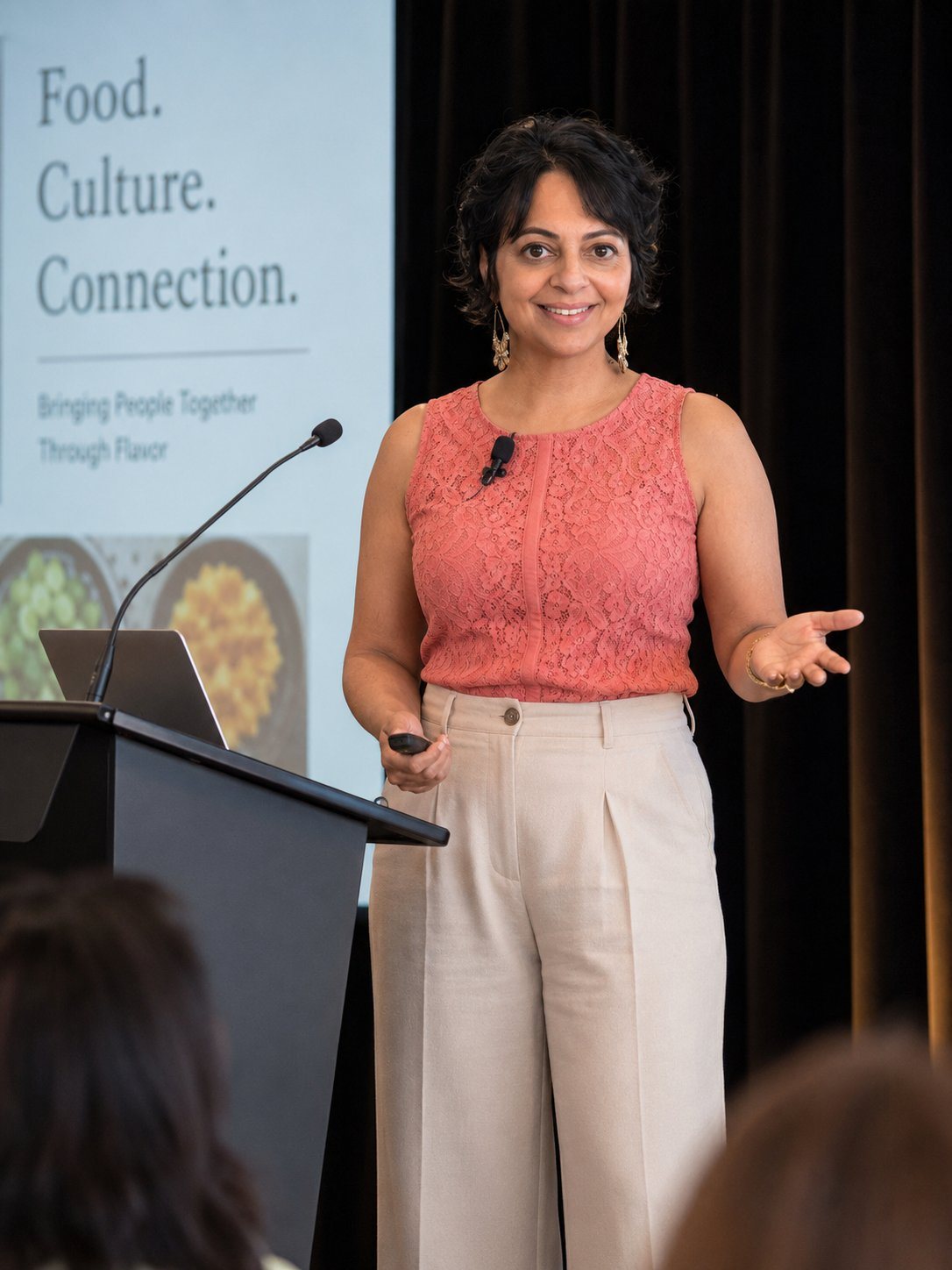
For nearly a decade I've taught within academic integrative medicine — as Fellowship Faculty at the Andrew Weil Center for Integrative Medicine, and now as Director of Medical Ayurveda Programs at Sonoran University of Health Sciences. I've built the primary Ayurveda curriculum for integrative medicine fellows and a continuing-education course that translates classical Ayurveda into the language of evidence-based medicine — and written three books along the way.
Most recently, I founded Welliva Health, a model of prevention-centered, whole-person care. It's the same bridge I've always been building — only now between an entire system of medicine and the people it's meant to serve.
My work has never been about choosing one world over another. It's about helping you benefit from both.